Skip to content
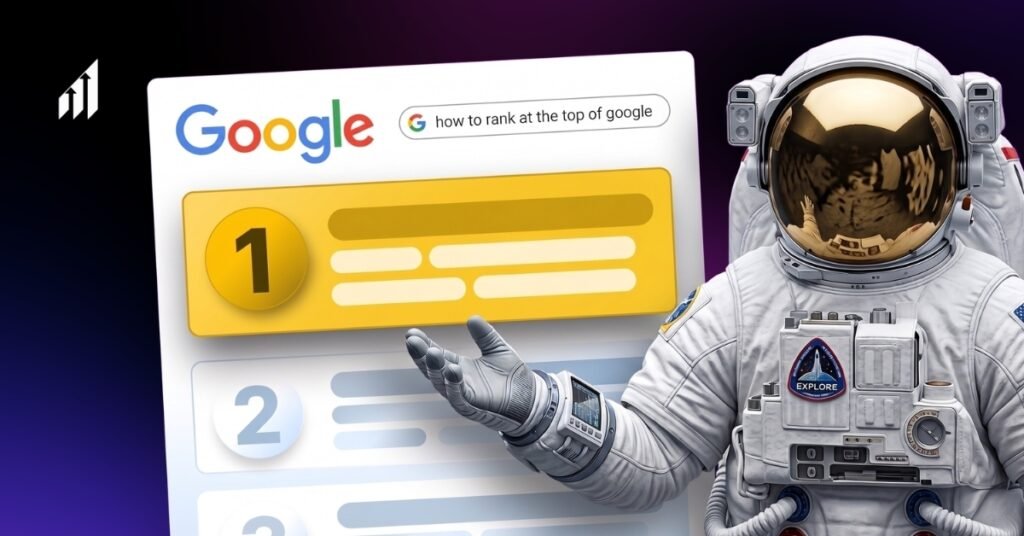
Most businesses think ranking with fresh content just means publishing new posts on a schedule. They keep putting content out and assume that activity alone is enough. It usually is not.
Ranking with fresh content is less about how often you publish and more about whether the pages already on your site are staying current.
A page that was doing well two years ago but has not been updated since is losing search position every month. DigiEvolve helps businesses treat content maintenance as part of the plan from the start, not something that gets attention only after traffic has already dropped.
Highlights:
- Ranking with fresh content is about updating existing pages with current information, not merely publishing new posts frequently.
- Google’s QDF favors recently updated pages when search trends rise, rewarding timely content over older, unmaintained pages.
- Pages with outdated statistics, tools, or strategies lose clicks and rankings, so regular updates are critical for visibility.
- AI ranking systems prefer fresher content more consistently than Google, requiring businesses to actively update pages for citations.
What Ranking With Fresh Content Really Means?
Fresh content means content that was recently published or has been updated in a way that changed what it says. Search engines and AI tools both use how recent a page is as one of many factors when choosing what to show users.
Ranking with fresh content does not mean bumping the year in a title or dropping a new sentence at the top. That kind of edit does not count as an update.
What counts is whether the information on the page has changed, whether examples are current, and whether the page still covers the topic the way it stands today. An update that only changes how new a page looks, without changing what it says, does not help.
How Google Uses Fresh Content for Rankings?
Google runs a system called Query Deserves Freshness, or QDF, that identifies searches where people need current information. When QDF is active for a topic, pages that have been recently updated can rank above older pages that have more links and history behind them.
QDF tends to activate when news coverage of a topic picks up, blog posts about it increase, and search volume starts climbing at the same time. When all three happen together, Google reads it as a sign that the topic is moving fast.
Older pages may no longer cover what users need in those moments. Ranking with fresh content before a topic peaks puts your page in a better position when that search volume arrives.
How Fresh Content Affects Click Rates?
Fresh content for AI ranking and Google ranking both connect to how users behave when they see search results. A page titled “Best Project Management Tools 2023” will get fewer clicks than a page with 2026 in the title, even if both rank in the same spot.
Users skip the older one because they assume the information is out of date. Fewer clicks over time tell Google the page is not giving searchers what they came for, and rankings drop as a result. Ranking with fresh content keeps your titles and dates current so users have a reason to click your page when it appears.
Why Pages Lose Position When They Stop Getting Updated?
Even when QDF is not involved, pages that go without updates tend to lose ground over time. Competitors publish newer versions of the same content. Old stats and references start to look dated. Users who land on the page and leave fast send a signal to Google that the page did not help them.
Pages that get updated on a regular schedule avoid most of that. They hold their ranking longer and often improve after an update because the changes prompt Google to re-examine the page. Ranking with fresh content on a consistent schedule is what keeps pages from losing ground to newer competition.
Fresh Content for AI Ranking Is a Different Situation
One of the most common mistakes for ranking in Google and AI is treating them the same way. They are not. AI tools put more weight on how recent the content is, and they do it more consistently than traditional search.
- Ahrefs analyzed 17 million AI citations and found that content cited by AI tools was 25.7% fresher on average than content appearing in standard Google results. ChatGPT showed the strongest preference, citing pages that were 393 to 458 days newer than what Google organic search returned.
- Perplexity and Gemini also favored newer content. Google’s AI Overviews behaved closer to traditional search but still leaned toward recently updated pages over older ones.
- For businesses focused on fresh content for AI ranking, the update schedule that kept a site competitive two years ago is probably not enough now.
Ranking with fresh content for AI results requires a more active approach than traditional search demanded. Pages sitting untouched for a year or more are at a disadvantage when AI systems decide what to cite.
Google vs AI Search Comparison
Factor | Google Traditional Search | AI Search Tools |
| Average content age preference | Prefers older content in many cases (organic SERPs and AI Overviews lean older) | Prefers 25.7% fresher content on average (ChatGPT shows the strongest preference with pages 393–458 days newer) |
| Update frequency impact | Moderate – QDF triggers mainly for trending or news topics | High and more consistent—AI tools favor recent content across more queries |
| Date in title effect | Important for click-through rates (users skip old years in titles) | Less visible in results but overall content age is still heavily tracked and preferred |
| QDF trigger dependency | Only activates for trending/news topics when search volume and coverage rise together | Freshness applied more broadly—AI tools weigh recency more consistently even outside trending topics |
| Content sitting 12+ months | Gradual ranking decline as competitors publish newer versions and users bounce | Sharper disadvantage – pages untouched for a year or more lose citation chances quickly |
| Minor edits detection | Often triggers re-crawl but small changes (like updating the year only) usually do not count as meaningful | Minor word swaps or date bumps usually do not count as a real update—actual changes to information are required |
| Statistical data requirements | Helpful when current but not always required | Outdated stats reduce citation chances and can make pages misleading |
Which Pages Lose Value the Fastest?
Not everything on a site goes out of date at the same speed. Knowing which content types go stale fastest helps a team put its effort where it produces the most return. These are the four categories worth checking first.
Product and Tool Lists
Any page recommending specific software, platforms, or tools needs to be reviewed at least once a year. Products change pricing, release new versions, or get replaced by better options.
A list from two years ago is likely recommending something that no longer holds up. Ranking with fresh content on these pages means reviewing them before users notice the recommendations are out of date.
Pages Built Around Statistics
Pages that use data points go out of date fast. A statistic about AI adoption from 2022 may be actively misleading anyone reading it today. Ranking with fresh content on these pages means checking those numbers regularly. Ranking with fresh content on those pages is not optional when the numbers are part of what makes the page useful.
Trend and Strategy Topics
Content covering SEO, content strategy, social media, or technology trends shifts constantly. A page about SEO strategy written before the last two years of algorithm updates describes a version of search that no longer matches what professionals are working with today.
These pages can rank well again after an update, but they fall behind quickly when left alone because the topic keeps changing.
Seasonal and Recurring Topics
Pages tied to seasons, annual deadlines, or recurring events need to be updated before the relevant period arrives, not after. A tax deadline page updated in April has already missed the months when searches for it were highest.
Updating these pages a few weeks before searches begin to climb is one of the most direct tips for improving the content performance of a site without creating any new pages.
Mistakes for Ranking in Google and AI to Watch Out For
Most content freshness problems come from the same few habits. These are the ones that show up most often across sites that are losing ground.
- Treating a publish date change or a minor word swap as an update when the information underneath has not changed
- Putting all content effort into new pages and ignoring existing ones that already rank and could rank higher with a proper update
- Updating a page without first checking how the topic has shifted since the original was written can leave outdated advice in place
- Not looking at which pages already have links pointing to them when deciding what to update, since those pages will show results faster
- Publishing new content on topics where a page already exists, which splits authority between two pages instead of building one strong one
Ranking with fresh content over time means checking existing pages on a schedule, not waiting for traffic to drop before doing something about it.
The Final Thoughts
Digital marketing agency works with businesses to find which pages are losing position because their content has not kept up, which ones are close enough to the top that an update would move them, and what kind of changes improve rankings rather than just making a page look more recent.
The process covers building update schedules around the content types that go out of date the fastest, checking what has changed in a topic before writing any update, and focusing on pages that already have some authority so results come faster.
Tips for improving the content on a site with existing traffic are different from tips for a new site, and DigiEvolve works with both accordingly.
Ranking with fresh content is an ongoing job. The businesses that stay visible in search and AI results keep their pages current. We helps you build that process before outdated pages start costing you traffic.
Frequently Asked Questions About Content Freshness
How often should I update evergreen content?
Evergreen content needs updates when the underlying information changes, not on a fixed schedule. You should check pages quarterly to see if industry standards have shifted or new tools have emerged. Or your examples no longer reflect current practices. Pages with backlinks and existing traffic should get priority since updates show results faster on content that already has authority.
Can updating old content hurt my rankings?
Updating content rarely ruins rankings if you improve the information. Rankings can drop temporarily if you remove sections that were ranking for specific keywords, change the main topic focus, or make the content less comprehensive than before. Keep the core topic the same and expand rather than remove sections. And make sure new information adds value instead of just changing dates.
What is the minimum change needed for Google to re-index a page?
Google re-crawls pages after changes but not all updates trigger a ranking review. Minor changes like fixing typos or updating a date without changing content do not count as meaningful updates. Substantial changes include adding new sections, updating statistics with current data, revising outdated recommendations, or expanding thin content. The update needs to change what the page says, not just how it looks.
Does deleting old blog posts help or ruin SEO?
Deleting posts removes any ranking value and backlinks those pages built over time. Keep posts that still get traffic or have backlinks pointing to them. Update them instead of deleting. Delete only if the content is completely irrelevant to your business now, covers topics you no longer service, or was thin content created just to fill a publishing schedule. For borderline cases, redirect the old URL to a related current page instead of leaving it as a 404 error.